
Reading the Meta Ad Library for competitor analysis
How long an ad has been running is a useful clue, not proof that it works. What the Meta Ad Library shows, what it does not, and how to turn it into hypotheses.
Short answer
- Run time and variant count are clues to test, not proof of profitability.
- The library is built around ads that are live now; history only exists if you record it yourself.
- Take the pattern, not the picture, and validate it with your own tests.
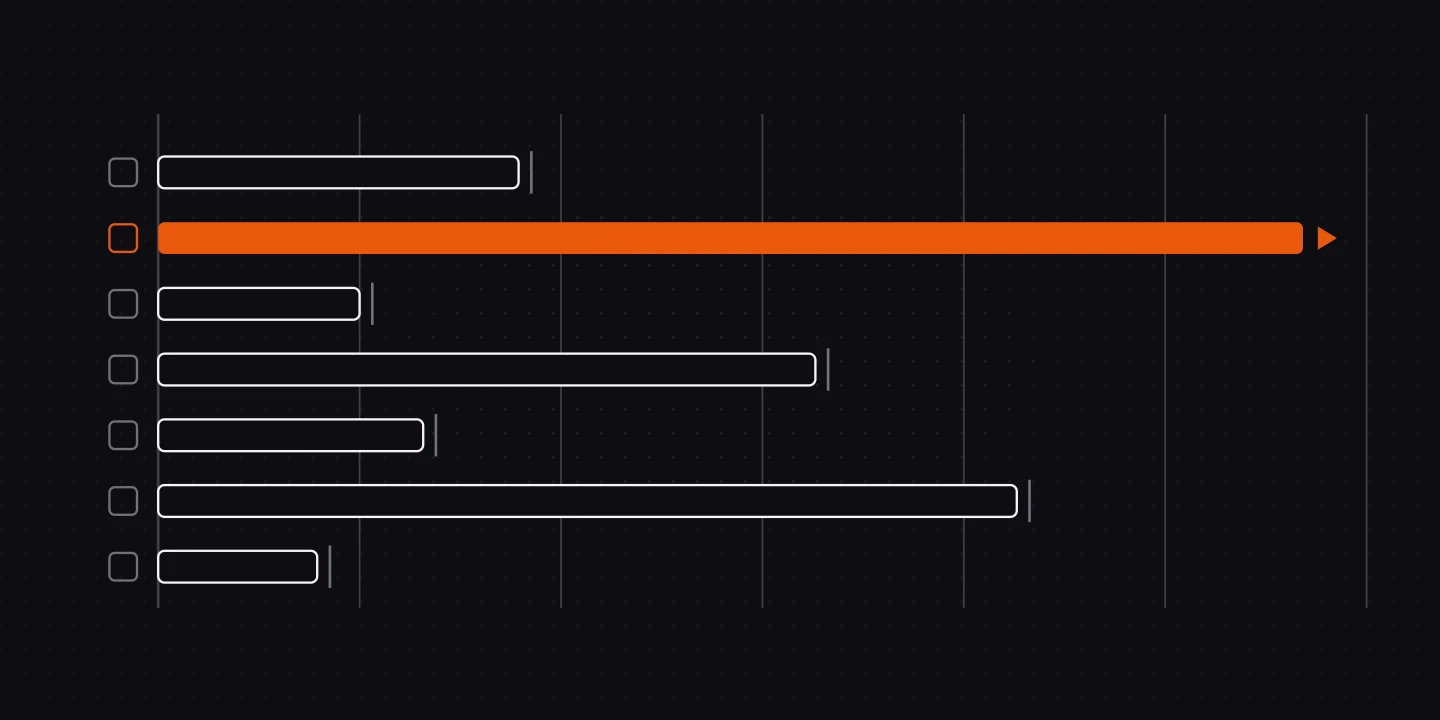
The most common mistake in competitor research is copying whichever ad has the most likes. The Meta Ad Library does not show likes, but it does show something you can work with: how long an ad has been running.
Run time is a clue, not proof
A creative that has been live for weeks may well be earning its keep, which makes it a better lead than a random ad. It is not evidence of profit, though. Ads stay live because nobody paused them, because the goal is awareness rather than sales, or because the budget behind them is small. You also cannot see the competitor's conversions or spend.
Use run time to decide what to test first, never to conclude what works.
What the library shows, and what it does not
Meta describes the library as a place to search ads that are currently running across its products. Extra detail such as spend ranges and reach applies to ads about social issues, elections or politics, and those are archived after they stop. For ordinary commercial ads, expect the live picture only. Ads delivered in the EU come with additional transparency information, and what appears varies by market.
Check the library for your own market before relying on any field, because Meta changes what it shows over time.
Keep history, not a snapshot
The ad paused yesterday is not in the library today. So a record of what a competitor tried and dropped exists only if you keep it yourself. Competitor records therefore accumulate instead of being overwritten:
- the date the ad was first seen,
- the date it was last seen,
- and how many days it ran in between.
A paused ad is a data point too. It suggests an idea that did not hold up, and it stays a hypothesis until you test it.
Variant count is another clue
The same creative running with many copy variants suggests the brand is actively testing that idea. One variant is often a single test. Either way it signals attention, not results.
Extract the pattern, not the picture
What you take from the library is not the image but the pattern: which angle it opens with, what it says in the first second, where it places proof. Rebuilding that pattern with your own product is both safer legally and more effective than imitating the image.
Turn clues into your own tests
Write each clue down as a hypothesis, for example "this opening angle holds attention", test it with your own product, budget and audience, and let your own data decide. The library tells you where to look. It cannot tell you what will work for you.
Frequently asked
Yes. Meta makes the library public and searchable. Ads about social issues, elections or politics carry extra detail such as spend ranges and are archived for years; for ordinary commercial ads the library is mainly a view of what is running now.
Not for ordinary commercial ads. Spend ranges are published for ads about social issues, elections or politics. For everything else your clues are run time and variant count, and both are indirect.
No. It can be a good sign, but ads also keep running because nobody switched them off, because the goal is awareness rather than sales, or because the budget behind them is tiny. Treat it as a hypothesis to test.
Three to five in practice. Beyond that the same patterns repeat and add noise.
Related posts
Your ad team is one URL away.
Enter your brand and produce your first creatives today, free.
Start free. No credit card needed.